Written by:
Colton Kaltenfeldt, Communications Manager, Washington State Board of Education.
How communities across Washington helped shape the State Board of Education’s FutureReady proposal for new high school graduation requirements— and two lessons school districts can apply to their own engagement efforts
By 2024, Washington’s high school graduation requirements reflected more than a decade of incremental changes, creating a framework that was increasingly difficult to navigate while students and educators questioned whether it was preparing students for life after high school.
The State Board of Education could have started by drafting a solution and asking the public to respond. Instead, we asked a more fundamental question: How should a diploma prepare students for life after graduation?
That question shaped nearly two years of work that culminated in our FutureReady proposal, the Board’s effort to comprehensively update graduation requirements. The process offered several lessons for school districts undertaking complex initiatives of their own.
Build the Table Before You Build the Policy
“We knew we couldn’t answer this question alone,” said Randy Spaulding, executive director of the State Board of Education. “We needed to rethink how community was involved in policy development.”
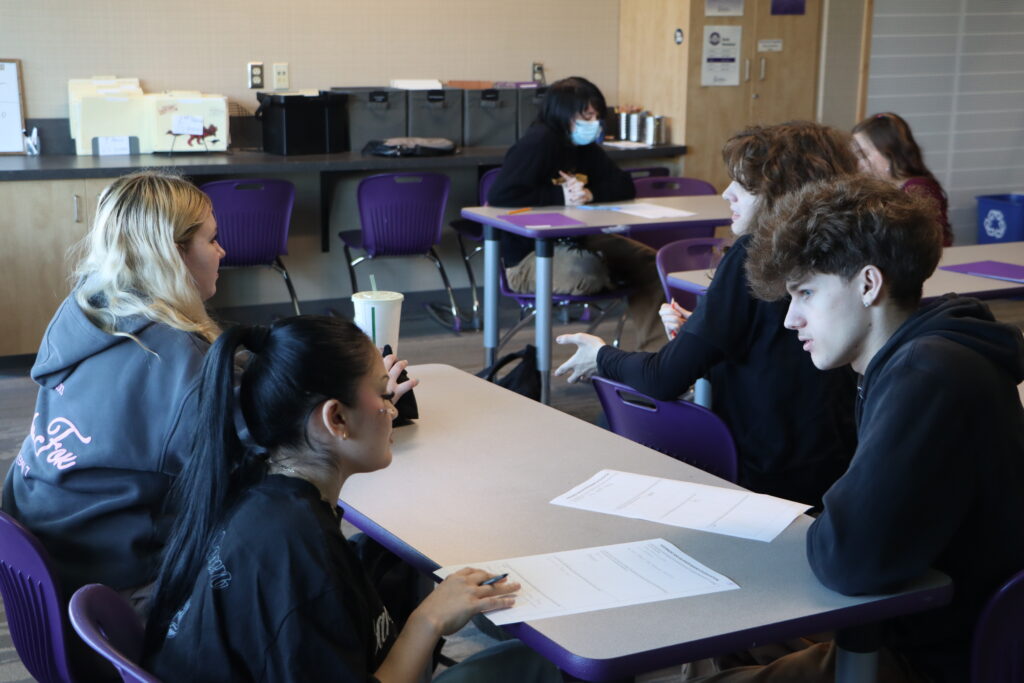
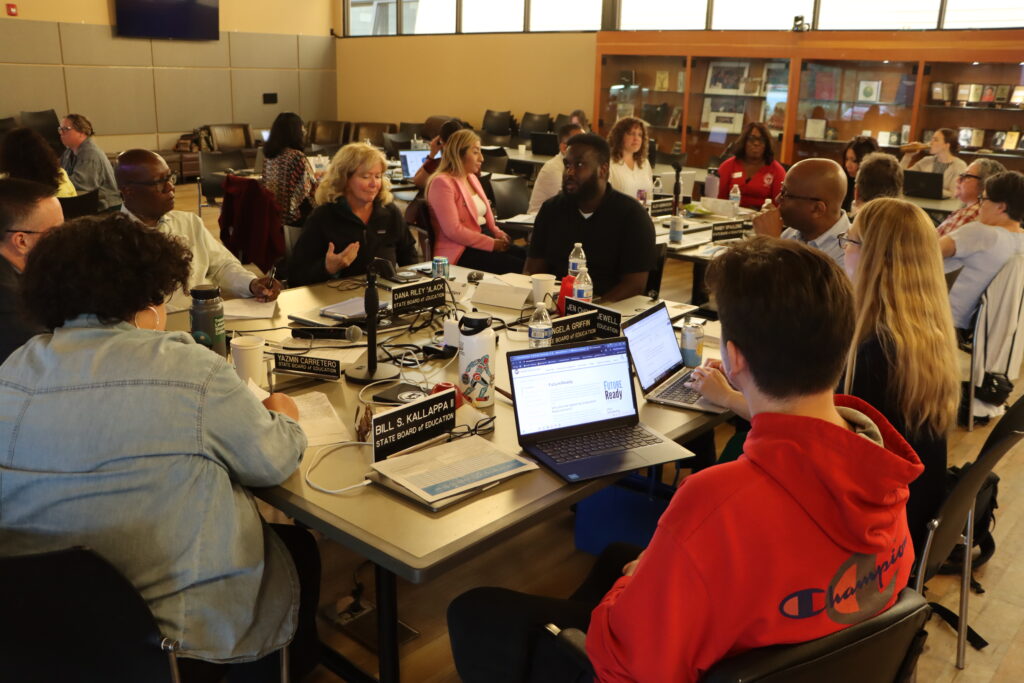
To start, the Board pulled together a statewide Task Force representing students and families, K-12 education, higher education, employers, community organizations, and policymakers.
But the goal wasn’t simply to create a group that could review the Board’s ideas.
The task force and board met in alternating months, allowing each group’s discussions to inform the other’s work. Members were tasked with bringing perspectives from the communities they represented while considering how proposed changes would affect students and schools across Washington. This approach was in alignment with the state’s Nothing About Us Without Us Act, which directs government agencies to include community members with direct lived experience in policymaking.
Early FutureReady conversations didn’t focus on individual credits. Instead, we explored what students need to be ready for life after high school: meaningful learning, essential knowledge and skills, postsecondary planning, civic participation, and the ability to adapt as their goals evolve.
The Board’s approach was straightforward. If communities could help define how a diploma should prepare students for life after graduation, that shared vision could be used to identify gaps in the current system and develop solutions. This vision gave the Board a foundation for navigating the competing priorities that emerged as the work became more specific.
Don’t ask communities to react to a solution before they’ve helped define the problem. The strongest ideas emerge when people with different experiences have an opportunity to develop solutions together—not simply comment on them after decisions have been made.
Meet Communities Where They’re at and Keep Them in the Conversation
Even a diverse Task Force could not represent every community affected by graduation policy. The Board knew that many of the people it most wanted to hear from were unlikely to attend a state meeting or sign up for a formal advisory group.
So the Board partnered with the Washington Statewide Family Engagement Center to recruit and support six compensated community liaisons to the Task Force. These liaisons already had trusted relationships with students and families, particularly in communities historically underrepresented in statewide education policy. Their role was to remove barriers to participation and bring those perspectives into the FutureReady process.
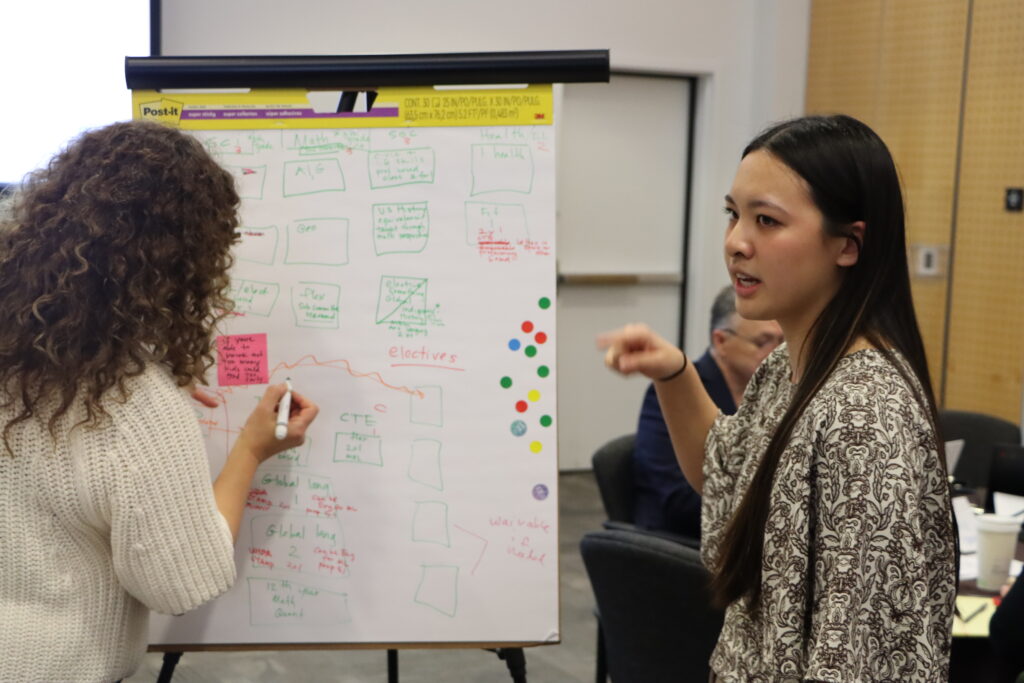
One liaison was Mandie Norman, Youth Wellness Zone Program Manager with The ZONE at Northeast Community Center in Spokane. Norman works directly with Spokane-area schools, students, and families to identify the skills and supports young people need and help schools develop opportunities that respond to their feedback.
Norman drew on those existing relationships to connect FutureReady with students who might not otherwise participate in policy conversations. She also worked around practical barriers, including students’ work schedules, family responsibilities, and transportation.
For one listening session involving families who speak Chuukese, Tagalog, and Marshallese, she coordinated interpreters and asked the Board to provide translated materials explaining the proposed changes.
“Without some of those supportive documents, I don’t know that we would have been able to even get down to the brass tacks of what we needed to talk about,” Norman said.
The Board also supported community organizations in hosting listening sessions, allowing hundreds of students and families to participate. Facilitators received plain-language information about graduation requirements and questions tailored to the stage of the process. Early conversations asked, “What knowledge and skills matter most after high school?” Later, the questions became more specific: “We’ve heard that financial education and life skills are important. How should schools provide that instruction?”
And the conversation didn’t end when people submitted feedback.
“It was important that people knew how their input made an impact,” recalled Anna Ricks, the Board’s Tribal Liaison and Community Engagement Coordinator. “We’d go back to our community members and say, ‘Last time we met, you told us this. We responded by making this change. Did we get it right?’”
Norman saw that payoff among students who participated early and continued following the work.
“Students and families were happy to see that their voice was actually heard and the things that they wanted changed were changed,” Norman said.
Meaningful engagement isn’t just about inviting people. It’s about changing the conditions of participation by meeting people where they are, building relationships, and giving them a reason to stay engaged.
When Engagement Changes Policy
The most important test of an engagement process is ultimately whether it changes the work. Throughout the FutureReady process, community input helped shape the Board’s recommendations.
Students and educators described the High School and Beyond Plan as a compliance exercise that did not always provide enough time or support for meaningful planning. Families and students consistently asked for more financial education and life skills instruction. In response, the Board’s proposal would replace graduation pathways with greater emphasis on the High School and Beyond Plan and dedicated instructional time that integrates High School and Beyond Plan instruction, financial education, and life skills.
Other feedback contributed to recommendations that would expand Personalized Pathway Requirements credits and provide meaningful flexibility while maintaining strong academic expectations. The proposal also responds to students who requested more opportunities for mental health instruction and civics education.
The FutureReady proposal will continue to evolve as it moves toward the 2027 legislative session and the Board begins its rulemaking process. But the Board remains committed to engaging communities as the work moves forward.
Authentic community engagement doesn’t require a statewide task force, six community liaisons or two years to apply the lessons we’ve learned. Start with the people affected by the decision and focus on those furthest from opportunity. Build relationships before you need them. Design participation around people’s lives—not just your meeting calendar— then go back to show them what happened with what they told you.
When communities help define the challenge, shape the solution, and see their voices reflected in the work, engagement becomes more than a public comment exercise. It becomes part of how policy is transformed.
To learn more about the State Board of Education’s FutureReady proposal, visit its FutureReady proposal webpage.